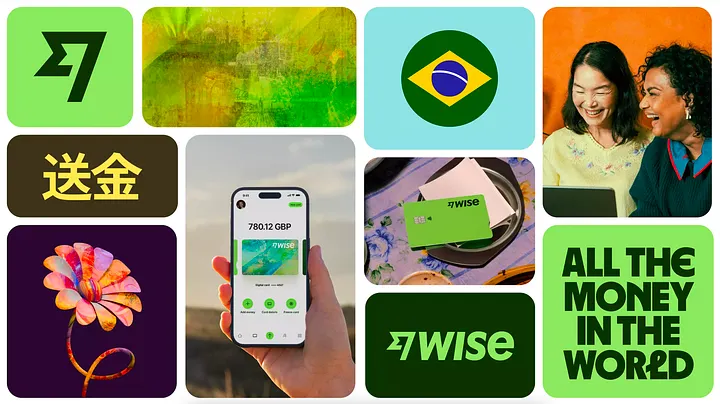
In today’s hybrid landscape, where brands live as much in pixels as in paper, consistency isn’t optional—it’s the glue holding trust together across physical merchandise, apps, emails, ads, and beyond. For businesses juggling multiple touch points, mismatched visuals or voices breed doubt; a sleek app paired with clunky packaging whispers unreliability, while unified experiences whisper “we’ve got you,” turning casual users into devoted fans.
Why It Counts: Trust in a Multi-Touchpoint World
When physical assets like product packaging or merchandise meet digital realms—think login screens, push notifications, or multilingual websites—the stakes skyrocket, as every interaction shapes customer perception in real time. Inconsistent branding doesn’t just confuse; it signals deeper chaos, like a fashion label that dazzles on Instagram but arrives in a generic box, prompting buyers to question quality during unboxing, or a coffee chain whose vibrant app clashes with bland in-store cups, diluting the cozy vibe fans expect.
Across languages and cultures, a warm tone in English might land cold or overly formal in Spanish or Mandarin, eroding credibility and amplifying cultural missteps that turn global reach into global disconnect—think a beauty brand’s empowering emails feeling stiff in translation, alienating diverse markets. This fragmentation hits hardest in trust-dependent fields, where one mismatched touchpoint evokes vulnerability—imagine a seamless e-commerce experience clashing with subpar delivery bags, making users second-guess repeat purchases amid rising expectations for polish everywhere. Psychologically, humans crave pattern recognition for safety; scattered branding disrupts this, increasing churn by up to 20-30% in fragmented experiences, while unified ones boost recall by 80% and loyalty through emotional familiarity. Ultimately, consistency scales empathy worldwide, transforming diverse audiences into a cohesive community that feels seen, secure, and loyal—no matter the language, sector, or medium.
Wise: Mastering Unity in a Borderless Bank
Wise exemplifies this mastery, rebranding to align every touchpoint for 16 million customers across 170 countries and 50 currencies. They unified apps, websites, emails, debit cards, and marketing materials under one cohesive visual and verbal language—clear, bold, and approachable—ensuring that adding a payee abroad or checking a balance at home delivers the same trustworthy vibe. In fintech, where skepticism reigns without branches, this holistic sync across languages and assets was vital: it demystified fees, celebrated transfers, and built instant recognition, proving that consistency isn’t just aesthetic—it’s a competitive edge.newsroom.
Lessons for Brands
Wise’s triumph shows how auditing touchpoints, standardising tone across translations, and syncing physical-digital assets creates emotional bonds that drive growth—lessons any sector, from retail to hospitality, can adapt. This approach reveals consistency as more than uniformity; it’s a strategic layer that amplifies recognition, with studies showing cohesive brands enjoy 3x better recall and up to 23% higher premium pricing power. In practice, it means physical products like apparel or packaging echoing the energy of digital campaigns, while verbal cues adapt fluidly across languages without losing their core warmth—fostering trust that feels instinctive, whether unboxing a purchase or swiping through an app, ultimately turning global diversity into unified loyalty.