Your Brand Is Not Your Logo
A quiet campaign from McDonald's New Zealand made an elegant case for what a brand actually is — and it isn't the logo.
There's a common misconception early in a brand's journey: that the logo is the brand, and once it's designed, the work is done. McDonald's New Zealand recently made a quiet, elegant case against that idea.
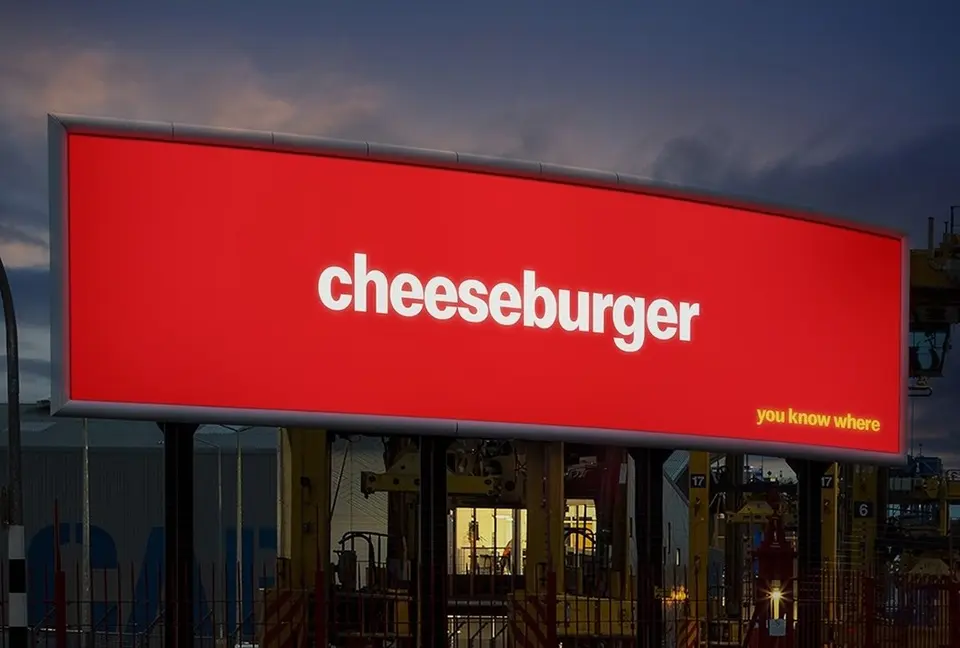
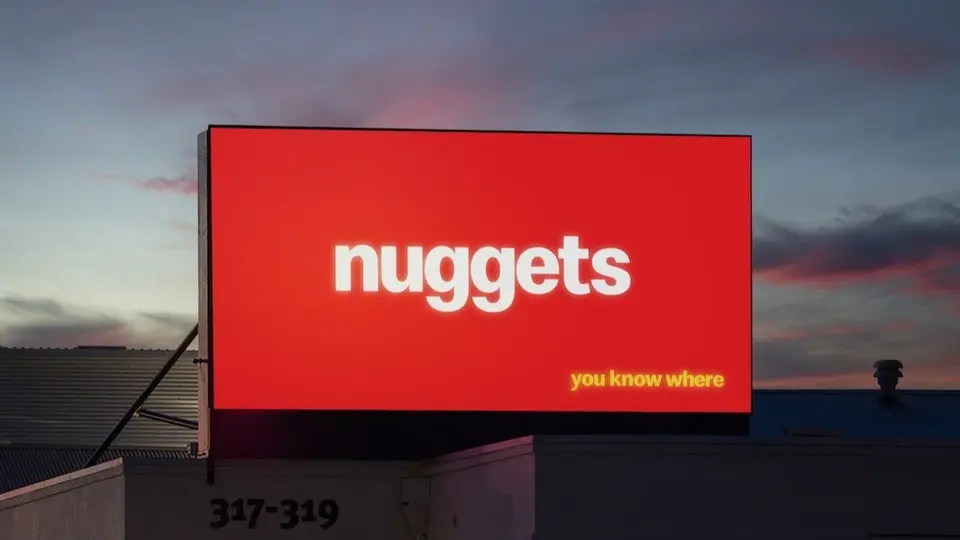
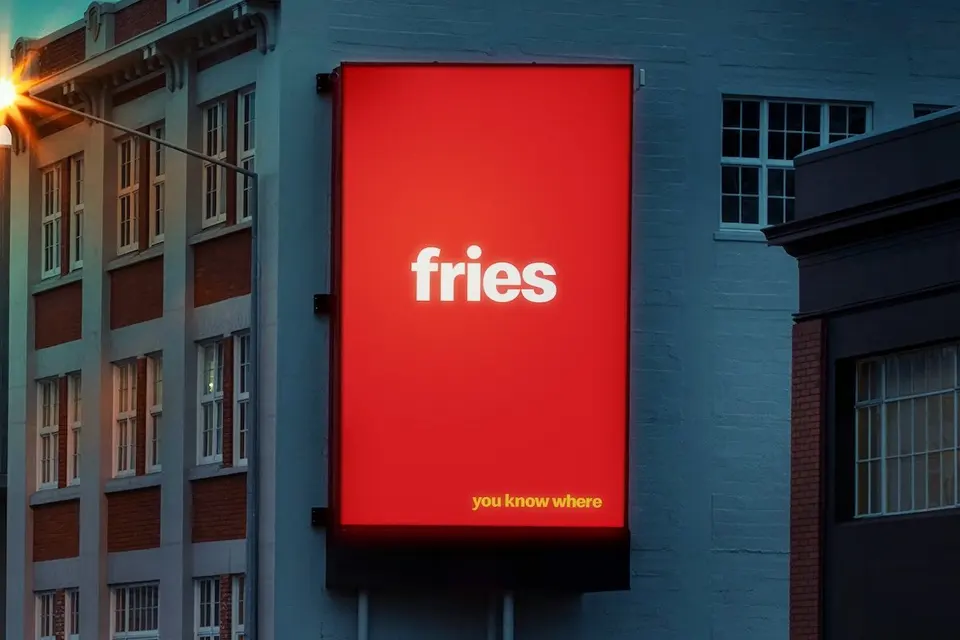
In early 2026 the brand ran an outdoor campaign stripped of everything but words — cheeseburger, fries, sundae — set against its own signature colours. No golden arches. No logo. No product shots. The campaign, titled ‘You Know Where’, made its point precisely by leaving so much out.
It worked because of what had already been built over decades, not what was shown on the billboard. The colours alone carried the message. The product names alone triggered recognition. That's not the power of a logo — that's the power of a brand.
What Brand Actually Is
Brand is the accumulation of every consistent decision a business makes over time — visual, verbal, experiential. Colour, typography, naming, tone: applied with discipline across every touchpoint, these become signals. Over time those signals turn into instinct — automatic recognition, ambient trust. A logo is one asset inside that system. Useful, certainly — but the beneficiary of brand power, not its source.
Familiarity Is a Commercial Force
Familiarity built consistently over time is one of the most powerful commercial forces a business can deploy. When people encounter a brand they already know, cognitive friction disappears and preference gets activated before a single rational argument is made.
That's why consistency isn't a stylistic preference — it's a strategic discipline. Every time a brand shows up differently, the consumer has to re-orient, and the signal it worked so hard to build gets a little weaker.
Brand Equity Takes Time — But It Compounds
What McDonald's pulled off here is specific to their scale and decades of investment — not every brand can run a logo-free billboard tomorrow, and most shouldn't try. But the underlying principle is universal: palettes become ownable, typefaces become familiar, language accumulates. It all compounds.
The brands that understand this invest in consistency from the start — not as a constraint, but as a long-term asset strategy. They build recognition before they ever try to leverage it.
What This Should Tell Every Business
Your logo won't do the heavy lifting for you. What will is the discipline to show up — consistently, distinctively, repeatedly — across every surface your brand touches. Over time, those choices stop being design decisions and start being brand memory. Build the brand. The logo takes care of itself.